Erektil dysfunktion
Hva er Ereksjonsdysfunksjon, Påvirker det Norske Menn
Ereksjonsdysfunksjon skjer kun hos menn. Grunnen til dette er at ereksjonsproblemer handler om at mannen sliter med å få ereksjon. Penisen er et seksuelt organ hos mannen, og derfor opplever ikke kvinner dette problemet. Det er faktisk ganske vanlig at dette forekommer hos menn jo eldre de blir. Du vet at du opplever ereksjonsdysfunksjon når du ikke lenger klarer å få «stå». Dette kan bli et bekymringsfullt problem du bør ta opp med legen din. Det finnes løsninger på ereksjonsdysfunksjon, og det kan være så enkelt som å ta en pille som kun koster noen kroner. Medisiner mot ereksjonsproblemer er tilgjengelige overalt i Norge.
Hvordan påvirkes menn
Ca. halvparten av menneskene i Norge er menn, som gjør ereksjonsdysfunksjon til et viktig problem. På tross av at antallet menn som kan slite med ereksjonsproblemer er så høyt, snakkes det ikke om så ofte. Grunnen til dette er sosiale stigmaer angående ereksjonsproblemer som gjør det sjenerende og flaut å snakke om. For eksempel kan det hende at hun eller han du er sammen med bruker den seksuelle ytelsesevnen din for å fornærme deg. Dette er ting alle menn bekymrer seg om. De fleste parforhold vil måtte håndtere et eller annet seksuelt dilemma før eller siden. Det er ikke uvanlig at menn over 50 opplever ereksjonsdysfunksjon.
Men hva er egentlig ereksjonsdysfunksjon?
Å forstå Ereksjonsdysfunksjon
For å forstå hva ereksjonsdysfunksjon er, må man forstå hvordan det mannlige kjønnsorganet fungerer først. Penisen reiser seg når den stimuleres seksuelt. Dette skjer gjennom en kjemisk utveksling i kroppen hvor et enzym utløses i blodstrømmen. Dette enzymet får blodårene som frakter blod til penis til å utvide seg, som øker blodtilførselen. På samme tid blir blodårer som frakter væske ut av penis smalere. Dette ujevne trykket fører til at blodet bygger seg opp i penis. Blodet lagres i to lagringsenheter som kalles Corpus Cavernosum. De er som reservoarer for blodet som fylles når penisen er stående og klar for seksuell omgang. Når dette systemet bryter sammen, kan det være på grunn av hormonelle ubalanser eller psykologiske problemer.
Medisiner
Noen ganger kan skader eller sykdom føre til ereksjonsdysfunksjon. Enkelte medisiner kan også føre til dette, selv om slik effekt ofte er midlertidig. For eksempel kan du oppleve ereksjonsdysfunksjon om du tar et opioid som for eksempel smertestillende etter en stor operasjon eller fjerning av visdomstenner, så lenge medisinen befinner seg i systemet ditt. Ca. 1 millioner menn i Norge påvirkes av dette. Dette er et ganske høyt tall, da det bodde omtrent 1,3 millioner mennesker i Norge i 2019. Dermed sliter veldig mange menn i Norge med ereksjonsdysfunksjon.
Den beste måten å håndtere ereksjonsdysfunksjon på er å få orden i eget hus. Stress og mangel på søvn kan bidra sammen med underliggende årsaker som får ereksjonsproblemer til å oppstå.
Kosthold og sovevaner
Når du diskuterer dette med legen din er det sannsynlig at han spør deg om kostholdet og sovevanene dine også . Om dere kan finne hovedproblemet er det lettere å behandle, men noen ganger er ereksjonsdysfunksjon uunngåelig.
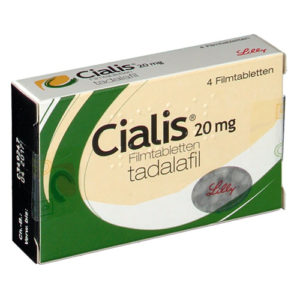
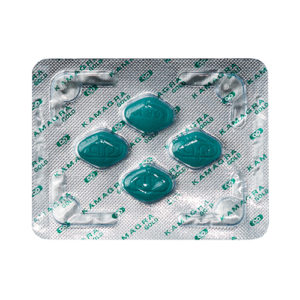
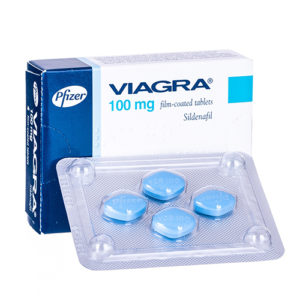
Når dette er tilfellet, kan medikamenter mot ereksjonsdysfunksjon foreskrives, som Viagra, Cialis, Levitra eller Kamagra oralgele. Alle disse kan være mulige løsninger, men enkelte av dem fungerer bedre for noen menn enn for andre. Om du tror du begynner å slite med ereksjonsproblemer, bør du kontakte legen din umiddelbart. Å begynne elimineringsprosessen for å finne fram til de mulige årsakene bør gjøres så raskt som mulig. Det er ikke noe poeng ved å forlenge lidelsen når det ikke trengs. Sexlivet ditt kan fortsatt være sunt og tilfredsstillende selv om du har ereksjonsdysfunksjon, fordi moderne medisiner kan gjenopprette ereksjonen hos nesten alle pasienter.
Vær åpen med partneren din
Selv om dette kan være et pinlig tema, bør du mest sannsynlig snakke om dette med partneren din også. De burde vite om alle de medisinske problemene dine, så de ikke får feil inntrykk av hvorfor du sliter med den seksuelle ytelsen din.
Viser alle 9 resultater